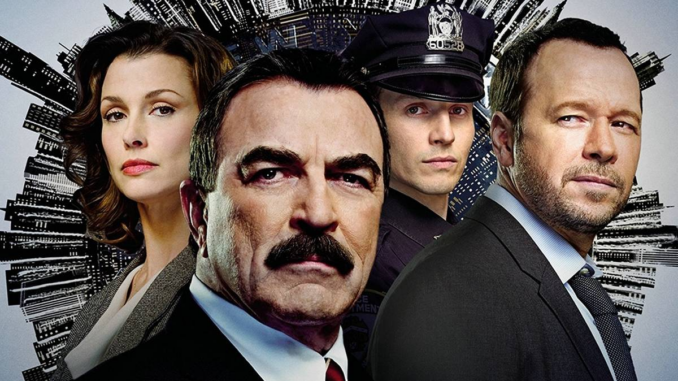
As Blue Bloods ends and Boston Blue begins, the transition offers insight into how police dramas evolve with changing entertainment landscapes. The success of the original series demonstrated that audiences still crave character-driven procedural storytelling rooted in moral dilemmas, family dynamics, and real-world issues.
But the spin-off reflects an equally important reality: modern audiences want both continuity and innovation. They want familiar faces but also fresh conflicts. They want the emotional comfort of long-running characters but also the excitement of new beginnings.
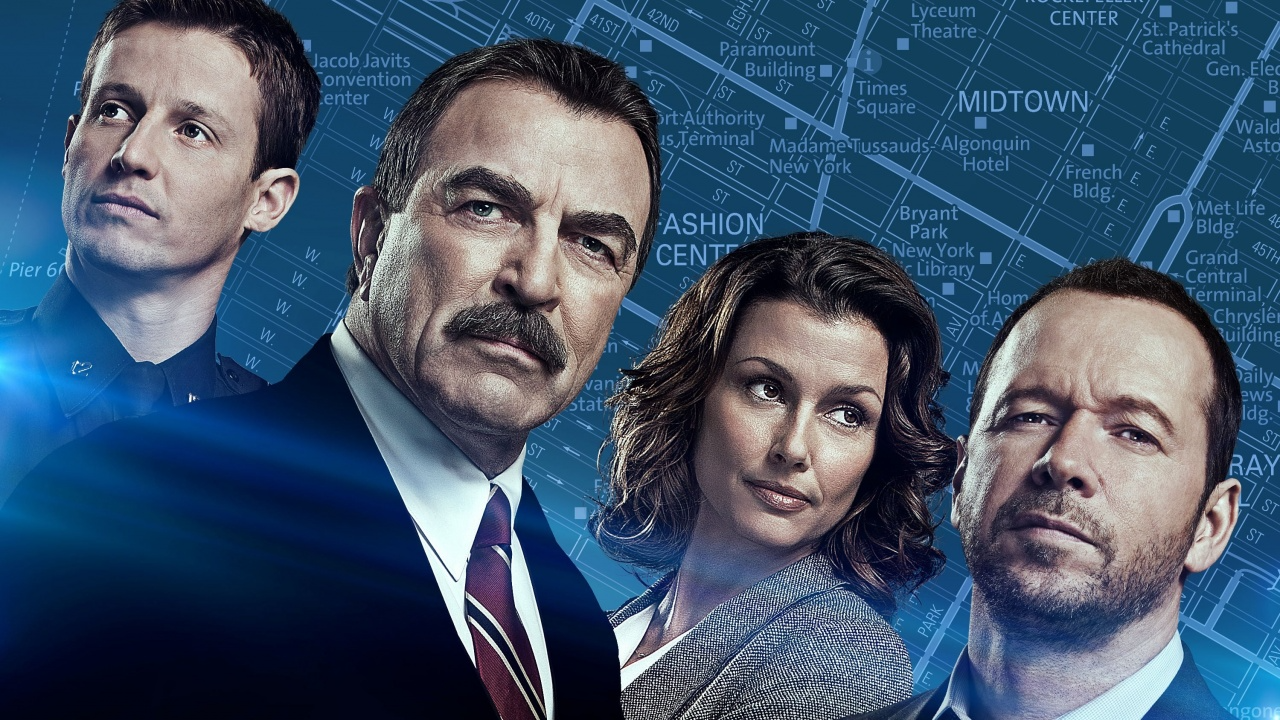 This balance is at the heart of Boston Blue. Instead of simply repeating the formula, the new show experiments with:
-
A new city
-
A new police culture
-
A new set of supporting characters
-
A more serialized emotional journey for Danny Reagan
-
A chance to move beyond the constraints of family-dinner storytelling
In many ways, the shift mirrors broader trends in television: spinoffs that expand a universe rather than mimic the original, and character reinterpretations that allow stories to evolve generationally.
Crime dramas are also entering a new era — one that requires deeper emotional stakes and more nuanced portrayals of policing. Boston Blue is positioned to explore these complexities, reflecting societal changes while honoring the core values that made Blue Bloods resonate: justice, resilience, and the power of family.
For fans, this evolution marks a moment of bittersweet excitement. The beloved Sunday dinners are gone, but the storytelling continues. The Reagan name lives on, shaped by new voices and new landscapes.
And for television as a whole, the shift represents a reminder that endings are rarely final. Sometimes, they are simply transitions.