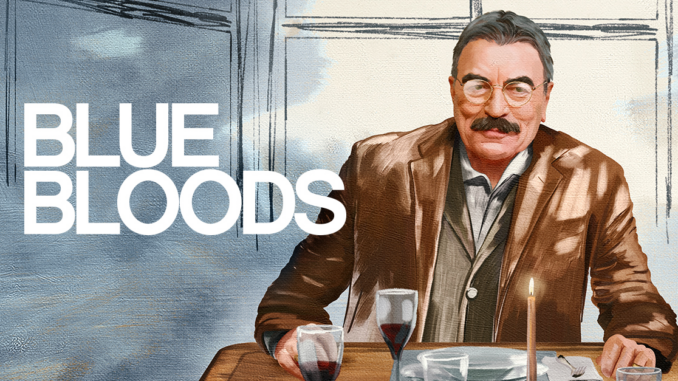
As Blue Bloods closes its chapter, its legacy remains strong — and not just as another police procedural. The show demonstrated that a crime drama can be more than gritty cops and criminals: it can be about family, duty, morality, generational conflict, and the human side of law enforcement.
First, Blue Bloods showed that long-running shows can survive in modern TV only if they balance consistency with evolution. By keeping a core cast and familiar structure while navigating social change and shifting audience expectations, it maintained relevance across different eras, building a dedicated fan base.
 Second, the show humanized police work in a way that feels both idealistic and realistic. The Reagans aren’t perfect heroes — they struggle, doubt, make mistakes, and confront personal loss. Yet they remain committed to justice, ethical law enforcement, and supporting each other as family. This human dimension resonates beyond entertainment and sparks conversations about policing, justice, loyalty, and the personal costs of public service.
Third, the show’s hybrid storytelling — blending procedural crime, legal drama, and family saga — allowed it to explore cases, personal relationships, ideals, generational ties, and moral conflicts. Character-driven drama and action-driven storytelling coexist effectively, giving the series depth and breadth.
Finally, the upcoming spinoff set in Boston offers a chance to carry the core values forward: justice, family, and moral complexity, in a new context with new challenges. For viewers looking for crime drama with heart, or morally complex storytelling, Blue Bloods remains a landmark series whose influence on TV storytelling and portrayal of law enforcement will persist.