🛋️ The Eternal Wardrobe Dilemma: Trapped in Time, Trapped in Fabric
Let’s face it: we’ve all secretly wondered what it would be like to be a ghost. No bills, no traffic, and endless time for reflection—or, in the case of the residents of Woodstone Mansion on CBS’s hit comedy, Ghosts, endless time for bickering and watching television. But there’s a crucial, often overlooked, element to their supernatural predicament that haunts me: the clothing.
Imagine being stuck in the same outfit for centuries. Not just days, weeks, or months, but literally forever. You can’t change it, you can’t wash it, and you certainly can’t take it off. This isn’t just a quirky plot device; it’s a profound existential wardrobe crisis!
As fans, we love the visual shorthand their clothes provide—the outfits are historical markers, representing the moment of their tragic (or often hilarious) demise. But how does this translate into practical, eternal comfort? We’re throwing out historical accuracy and period correctness and ranking every major Woodstone ghost’s ensemble purely on how agonizing or delightful it would be to wear for the rest of eternity. We’re talking temperature regulation, itch factor, restrictive tailoring, and general coziness!
🥇 The Comfort Kings and Queens: Heavenly Eternal Wear
These spirits hit the fashion jackpot. Their eternal attire offers freedom, softness, and maximum temperature control. If you’re going to be trapped for 500+ years, you want to be wearing one of these.
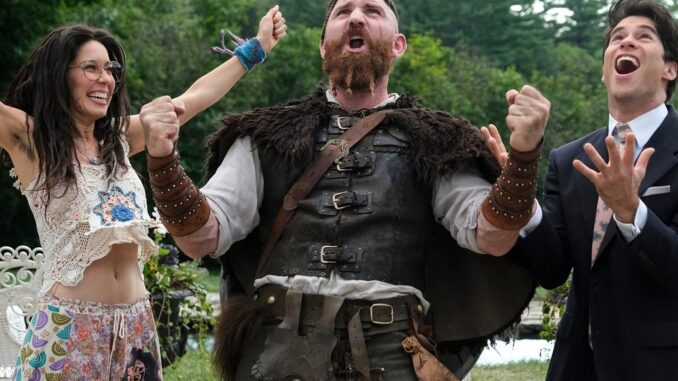
Thorfinn (Viking, c. 1000 AD)
Outfit Rating: 10/10 (Eternal Comfort Supreme)
-
The Look: Rough-spun tunic, possibly leather leggings, and maybe a little fur trim.
-
The Comfort Verdict: Thorfinn is the undisputed champion of comfort. Vikings knew what was up. His outfit is loose, natural fiber (likely linen or wool, which breathes), and designed for movement—essential for endlessly wandering the halls and dramatically telling tales. Yes, the fabric might be a bit scratchy initially (pre-softener Viking wear!), but after a thousand years of ghostly existence, any physical sensation has probably been dulled. Plus, his layers are easily adaptable to the chilly draft of the mansion. Thorfinn wins. We should all aspire to die in a loose tunic.
Sassapis (Lenape Native American, c. 1500 AD)
Outfit Rating: 9/10 (Relaxed Fit, Natural Fibers)
-
The Look: Deerskin tunic and breeches, sometimes seen with a blanket or simple cloak.
-
The Comfort Verdict: Sassapis enjoys a supremely comfortable existence, ranking just below Thorfinn. His clothing is made of soft, natural hides, tailored for optimal movement and minimal constriction. Think of it as the original athleisure wear. The material is durable, breathable, and perfectly suited for sitting cross-legged on the floor for millennia. His simple, efficient style guarantees he’s never fidgeting with an itchy cuff or a tight collar.
Pete Martino (Troup Leader, 1980s)
Outfit Rating: 8/10 (The Ultimate Leisure Suit)
-
The Look: Khaki scouting uniform, red bandana, merit badges.
-
The Comfort Verdict: Pete scored high simply because his outfit is functionally a pajama set designed for the outdoors. The uniform is made of durable, slightly stiff poly-blend fabric, but the cut is loose and boxy. It’s got deep pockets for imaginary snacks and the iconic red neckerchief is a minor nuisance, but it’s nothing compared to a corset. Most importantly, his short sleeves and shorts offer unparalleled ventilation. Good choice, Pete!
⚖️ The Middling Ground: Acceptable, But Not Ideal
These outfits have major comfort flaws, but they possess enough redeeming qualities—like adequate layering or decent shoe choices—to keep the wearer from existential torment.
Isaac Higgintoot (Continental Army Officer, 1777)
Outfit Rating: 6/10 (The Button-Up Conundrum)
-
The Look: Blue and white Continental Army uniform, complete with a tri-corner hat, waistcoat, and knee breeches.
-
The Comfort Verdict: Isaac is trapped in the sartorial equivalent of business casual. The wool might be scratchy (especially in the summer), and the tailoring is restrictive. However, the waistcoat is a saving grace—it provides a decent mid-layer without the suffocating quality of a full jacket. The real pain point is the stock/cravat—a tight neckpiece that would make eternal breathing feel slightly constricted. Isaac often fidgets with his buttons for a reason: they are many, and they are tight.
Alberta (Jazz Singer, 1920s)
Outfit Rating: 5/10 (Glamour Over Practicality)
-
The Look: Flapper dress, dazzling beads, and often a feather boa or headpiece.
-
The Comfort Verdict: Alberta’s outfit, while visually spectacular, is a mixed bag. The flapper dress itself is usually loose and designed for dancing, offering excellent mobility (a plus for her endless performance rehearsals). The fatal flaw is the beading and sequins. Imagine the incessant, subtle irritation of thousands of little beads rubbing against your spectral skin for 100 years. Plus, the high-heeled shoes—while not physically painful for a ghost—represent a commitment to eternal formality that drags her score down.
John Nolan (The Mansion’s Owner, Modern Day)
Outfit Rating: 5/10 (The Burden of Denim)
-
The Look: Modern flannel shirt, jeans, and sneakers.
-
The Comfort Verdict: Wait, why is modern clothing only ranking a 5? The jeans. While the flannel shirt is soft and comfortable, the jeans are a prison of denim. Modern jeans are often rigid, thick, and unforgiving, especially when sitting or lying down for extended periods. Compared to Thorfinn’s loose linens, Nolan’s denim represents a constant, low-level compression. Plus, the sneaker laces demand eternal knot perfection. A solid, but not spectacular, B-.
🔥 The Suffering Squad: Eternal Wardrobe Torment
These outfits represent the worst possible choice for an afterlife of inactivity and observation. They are stiff, heavy, tight, or generally painful.
Hetty Woodstone (Victorian Matriarch, 1890s)
Outfit Rating: 3/10 (The Corset Calamity)
-
The Look: High-necked, tightly fitted Victorian dress, complete with layers of heavy fabric, and, crucially, a corset.
-
The Comfort Verdict: Hetty is in eternal torture. The corset is the single greatest enemy of comfort in the history of fashion. Even if she can’t physically feel the compression, the memory of being perpetually restricted in the chest and abdomen must be psychologically draining. Add the sheer weight of the fabric—multiple petticoats, velvet, lace—which must feel like a lead blanket when you’re floating. Hetty’s perpetual irritability makes perfect sense; she’s wearing a beautiful, historical cage.
Flower (Hippie, 1960s)
Outfit Rating: 2/10 (The Natural Fiber Nightmare)
-
The Look: Flowing caftan, bell bottoms, and usually some form of headband or flower crown.
-
The Comfort Verdict: Wait, shouldn’t hippie clothes be comfortable? In theory, yes. In eternal practice, absolutely not. Flower’s outfit is likely made of 100% natural, often unbleached cotton or hemp. This fabric is known for being incredibly itchy and wrinkly. It lacks the modern softness of synthetics. Furthermore, the bell bottoms are a constant tripping hazard for a ghost, and the eternal scent of patchouli (or whatever else clings to the 1960s fabrics) might become overbearing. She’s loose, but she’s perpetually scratchy.
Trevor (Wall Street Bro, 1990s)
Outfit Rating: 1/10 (The Power Suit Prison)
-
The Look: Pin-striped business suit, tie, starched collar (and, infamously, no pants).
-
The Comfort Verdict: Trevor takes the crown for the most agonizing eternal attire. The suit jacket is a heavy, restrictive wool blend, built for boardrooms, not for lounging. The tie is an eternal noose, and the starched collar would chafe against a normal neck constantly. Even ignoring the whole pants situation (which, while freeing, exposes him to eternal ghost drafts), the sheer stiffness and formality of the suit is the antithesis of comfort. He is trapped in a permanent, uncomfortable interview.
👻 The Great Existential Question: The Impact of Eternal Uniforms
Our ranking reveals a fascinating correlation: the further back in history the ghost died, the higher their comfort rating (with the exception of Hetty, who fell victim to Victorian rigidity). Thorfinn and Sassapis, with their practical, natural, and loose-fitting attire, are the true winners of the afterlife lottery.
H4: Psychological Wear and Tear
Beyond the physical fabric, the uniform reflects the psychological state the ghost died in.
-
Trevor is stuck in the uniform of his ruthless ambition—a sartorial symbol of his unfinished business.
-
Hetty is imprisoned by the expectations of her restrictive social class.
Their outfits are not just clothes; they are visual metaphors for their unaddressed traumas. The discomfort of the clothing mirrors the discomfort of their eternal spiritual existence.
H4: The Future of Ghostly Fashion
If a modern person were to die in Woodstone today, what would be the ideal eternal outfit? The consensus is clear: high-quality, soft fleece jogging pants, a breathable tech t-shirt, and thick woolen socks. Perhaps Jay and Sam should start encouraging their guests to change into pajamas before their fateful accidents. It’s the only way to guarantee a truly peaceful eternity.
🎉 Conclusion: May Your Afterlife Be Fleece-Lined
We have determined that Thorfinn and his breathable, loose Viking gear possess the most comfortable eternal outfit, while Trevor’s starched, rigid power suit ensures he will be the most uncomfortable ghost until the end of time. The outfits of the Woodstone residents are a constant, hilarious reminder that being stuck in the past isn’t just a temporal problem—it’s a massive wardrobe malfunction that lasts forever. Next time you watch, spare a thought for Hetty and her ceaseless corset anxiety.
❓ 5 Unique FAQs After The Conclusion
Q1: Since the ghosts can’t physically feel, why does the comfort level of the outfits matter?
A1: While the ghosts cannot feel physical pain or touch, the clothes represent the memory and psychological impact of their existence. Trevor’s suit represents perpetual formality and stiffness, while Hetty’s corset represents social and physical restriction—these memories are part of their spectral identities, leading to perceived discomfort and frustration.
Q2: Did any of the ghosts’ outfits ever change or show signs of wear during the series?
A2: No. A key rule of the Ghosts universe is that the spirits are trapped in the exact state they were in at the moment of their death. Their clothes are part of their spectral form and cannot be altered, removed, or deteriorate, reinforcing the eternal nature of their wardrobe predicament.
Q3: Why didn’t Alberta’s flapper dress rank higher since it’s designed for dancing and movement?
A3: Alberta’s dress received a middling score because of the beading and sequins. While the cut is loose, the rough, metallic, or plastic elements of the embellishments would likely create a constant, subtle source of chafing and annoyance, significantly reducing the overall comfort of the otherwise loose-fitting dress.
Q4: Is Pete’s red neckerchief considered part of the eternally uncomfortable clothing?
A4: Pete’s red neckerchief is a minor point of discomfort. While it’s a tight piece of cloth around the neck, the material is likely soft cotton. It’s an inconvenience that requires occasional fidgeting (which Pete often does) but is far less restrictive than Isaac’s formal stock or Trevor’s stiff tie.
Q5: Which ghost’s outfit required the most layering, making it potentially too hot for eternity?
A5: Hetty Woodstone’s Victorian attire required the most layering, including petticoats, underskirts, a bodice, and the corset. This heavy ensemble, likely made of dense wool and silk, would be suffocatingly hot, especially in the sunnier parts of the Woodstone mansion, making her temperature regulation the worst.