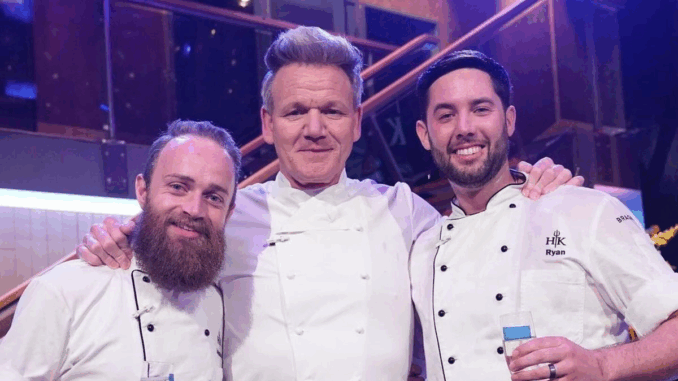
Gordon Ramsay, the fiery Michelin-starred chef known worldwide for his high-octane shows like Hell’s Kitchen and MasterChef, is facing fresh scrutiny. Former staff members have come forward with shocking claims, accusing Ramsay of intimidation, emotional pressure, and creating a toxic work environment behind the scenes.
The allegations first surfaced on social media, where multiple ex-employees shared detailed accounts of their experiences. They describe a workplace where mistakes were punished not just verbally, but through high-pressure situations carefully orchestrated to provoke anxiety and fear. According to one former sous-chef, “The kitchen wasn’t just intense — it was designed to break people mentally, all for the cameras.”
Inside the High-Pressure Kitchen
Sources claim that Ramsay would often place staff in impossible scenarios, expecting perfection under extreme stress while producers captured every moment for maximum dramatic effect. Some examples cited include:
Forced double shifts with minimal breaks during filming.
Setting up complicated recipes with missing or incorrect ingredients, leaving staff scrambling.
Publicly berating employees for errors they had little chance of avoiding.
Ex-staff report that the combination of Ramsay’s intense personality and the production team’s editing created a highly stressful and emotionally taxing environment, leaving some staff members struggling even after filming ended.
Social Media and Public Reaction
As soon as these claims went viral, fans and critics flooded social media. Hashtags such as #RamsayToxicKitchen and #HellKitchenControversy began trending, prompting debates about the ethics of reality TV kitchens.
Comments from viewers included:
“I knew the kitchens were intense, but this sounds extreme.”
“Reality TV or emotional abuse? The line is getting blurry.”
“Gordon is a genius chef, but behind-the-scenes chaos shouldn’t be ignored.”
While some fans defended Ramsay, arguing that high standards are part of his success, many expressed concern for the well-being of contestants and staff.
Producers Respond
Ramsay’s production team has released a brief statement defending the show:
“Gordon pushes contestants to achieve their full potential. All staff and participants are aware of the high-pressure nature of the environment and have signed agreements acknowledging the intensity of the production.”
Despite this defense, critics argue that awareness does not justify creating a psychologically stressful environment, especially when the impact is amplified by global broadcast.
Potential Fallout
Industry insiders suggest this controversy could lead to increased scrutiny of Ramsay’s shows and the treatment of contestants and staff. Mental health advocates are calling for more oversight on reality TV sets, citing the risk of long-term emotional impact.
For Gordon Ramsay, this is another moment where his public persona of excellence and intensity is under examination. While his culinary genius remains unquestioned, questions about the ethics and emotional toll of his shows are now part of the conversation.
The World Watches
As social media continues to dissect past episodes and behind-the-scenes footage, the story shows no sign of slowing down. For viewers, it’s a glimpse behind the curtain of one of television’s most popular culinary franchises. For Ramsay, it’s a reminder that his methods, once praised for their rigor, are now being questioned under the microscope of public scrutiny.
One thing is clear: Hell’s Kitchen has never been just a show — it’s a high-stakes, high-drama battlefield, and the latest revelations prove that some battles happen off-camera as well.