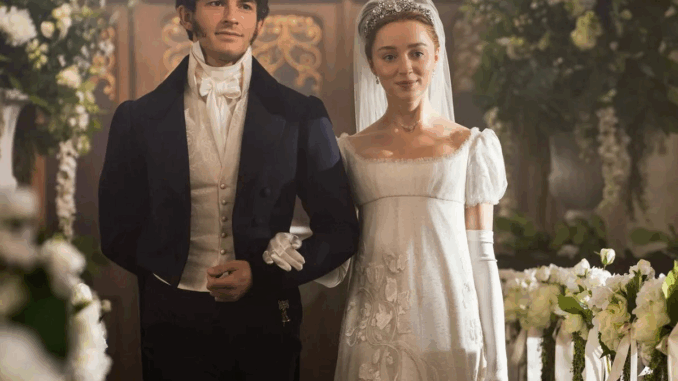
In the age of streaming, success comes with a hidden price. For Bridgerton, widespread fame has not only attracted adoring fans — it has also triggered backlash, harassment, and mental-health crises for some cast members.
One of the harshest criticisms leveled against the fandom is racism, particularly directed at actors of color. From the start, the show featured a racially diverse cast. But despite the show’s inclusive casting, some fans responded with racist remarks, attacks, and other forms of harassment. Much of this backlash comes from resistance to “race-bending” casting choices that depart from traditional norms.
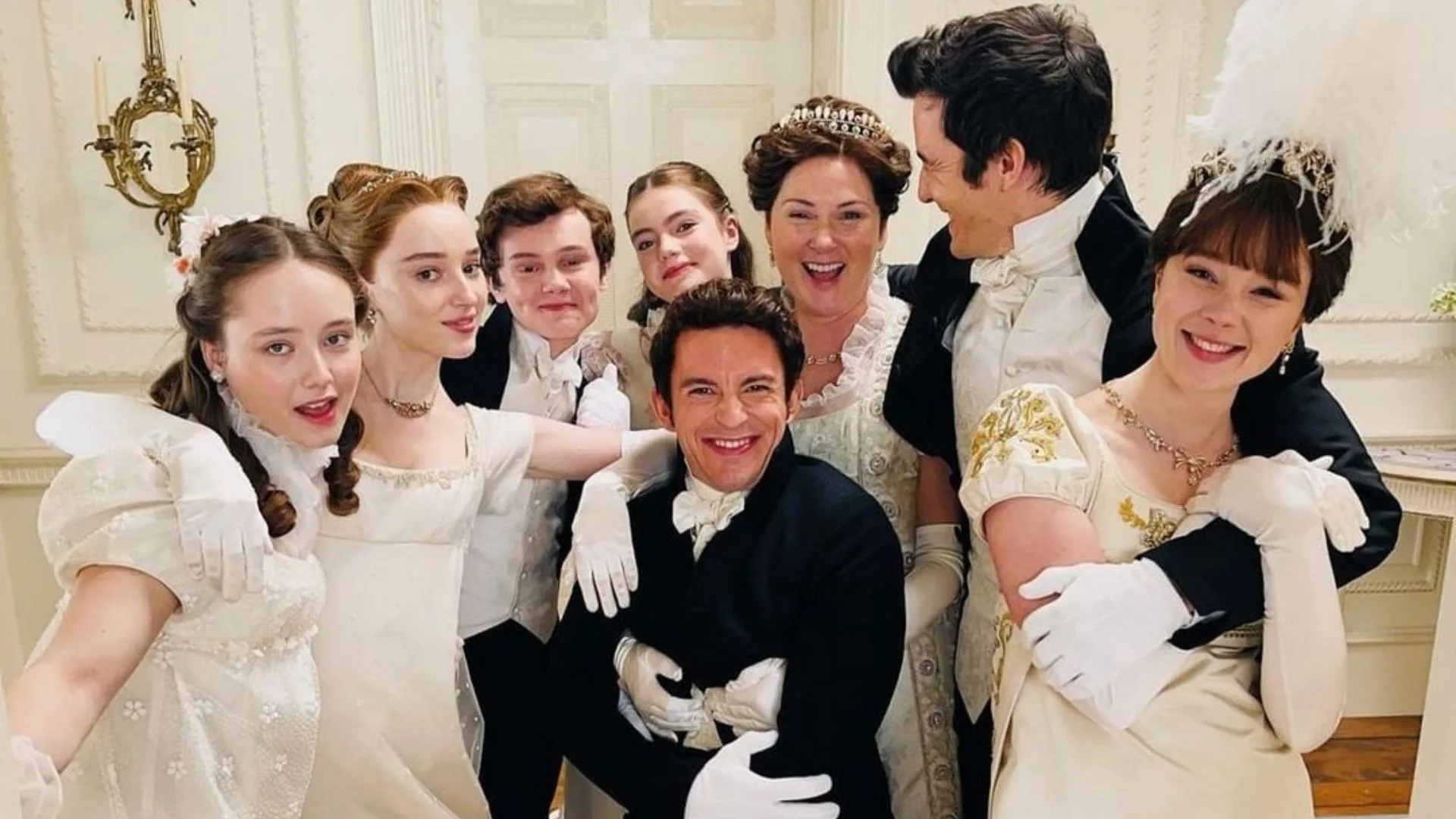 One former cast member — Ruby Barker, who played Marina Thompson — publicly revealed that harassment, plus the pressure of her storyline, precipitated real mental-health crises. She accused producers of failing to provide psychological support after her breakdowns. She said that although she had suffered psychotic breaks on and after working on the show, she received no follow-up care from the production team.
Many viewers were shocked. Some defended the show, arguing that a production cannot control every negative reaction from strangers online. Others pointed out that large productions have a responsibility to protect and support vulnerable cast and crew, especially when storylines may affect mental well-being.
The pressure isn’t limited to harassment. The show’s marketing and public exposure also contribute. Some actors have admitted feeling uncomfortable watching their more explicit scenes, especially when they know those scenes will be widely discussed, dissected, and shared.
Behind the camera, reports of a toxic working environment — including claims of bullying by production staff — further underscore that fame and success don’t guarantee a healthy workplace. That such serious allegations reached the point of firing a production executive suggests systemic issues.
In addition to the adversity faced by cast and crew, the fan culture itself remains fraught. Some demand fidelity to the original novels, while others welcome creative change. Some attack actors for perceived deviations from source material; others critique marketing exploitation. The unpredictability and intensity of fan reactions can become overwhelming, contributing to stress and anxiety for those involved.
Despite the criticism, Bridgerton continues to grow — but the human cost behind the glamour is increasingly visible. The scandals, rumours, and painful experiences remind us that behind every streaming hit are real people navigating complex pressures and often unseen struggles.