👻 The Siren Song of Woodstone: Why a Musical Episode is the Perfect Ghosts Evolution
If you’ve spent any time laughing at the perfectly chaotic ensemble of CBS’s hit comedy, Ghosts, you know the show is a masterclass in comedic timing, historical absurdity, and genuine heart. We love watching Sam (Rose McIver) and Jay (Utkarsh Ambudkar) try to run a Bed and Breakfast while navigating the demands of their permanent, deceased residents. But there’s always been a feeling, a little something humming beneath the surface of Woodstone Manor, just waiting for the right moment to burst forth. And that something, friends, is music.
The possibility of a full-blown musical episode has long been a hopeful whisper within the fanbase, and now, the whispers are getting louder! Key members of the production and cast have recently dropped intriguing teases and undeniable hints that the writers are actively considering turning Woodstone into Broadway for a special episode. This isn’t just wishful thinking; it’s a narrative inevitability for a show whose core cast possesses immense musical talent and whose premise—a group of colorful, emotional characters trapped in time—is ripe for dramatic song and dance.
We’re diving deep into the specifics of this exciting tease, examining why this creative choice makes perfect sense, which actors are ready to shine, and what the unique “rules” of the Ghosts universe mean for a possible musical spectacular.
🎶 The Creative Impulse: Why the Musical Tease Makes Sense
For any comedy, the musical episode is the ultimate high-wire act. It’s often reserved for shows with enough self-confidence and enough narrative justification to pull it off. Ghosts, we argue, isn’t just ready for this challenge; the show’s structure actively demands it.
The Utkarsh Ambudkar Factor: A Built-In Star
The most compelling argument for a musical episode is the presence of Utkarsh Ambudkar, who plays Jay. Ambudkar is a Grammy-nominated musician, rapper, and Broadway star (he was a frequent substitute in the original production of Hamilton).
-
Unused Talent: His presence means the show has a world-class, built-in musical powerhouse whose talent is currently underutilized outside of the occasional flash of his musical past (usually when Jay is playing piano).
-
The Justification: If anyone were to suggest breaking into song, it would naturally be Jay. A musical episode could easily be framed around his professional or personal life, perhaps centered around a performance or a creative crisis he’s experiencing.
H3: The Rules of the Dead: A Convenient Narrative Loophole
The genius of Ghosts is the unique set of rules that governs the afterlife. Since the ghosts can’t interact with the physical world, and only Sam can see them, a musical episode is easy to justify in the narrative:
-
Sam’s Perspective: The entire episode could be framed as the ghosts’ attempt to communicate with Jay, or express their emotions to Sam, through the theatrical medium of song. Since the ghosts are “performing” their feelings, it makes sense that only Sam—and the audience—would witness the full musical production number.
-
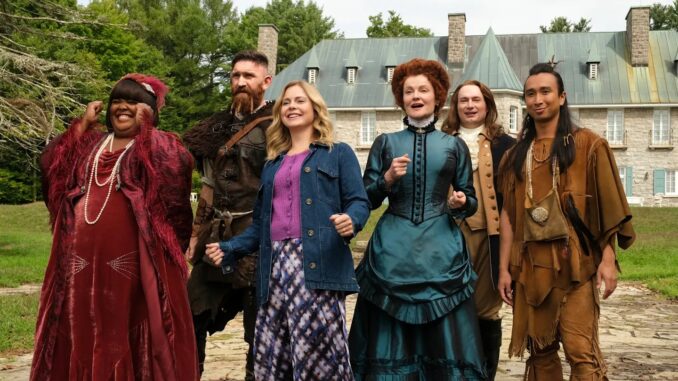
The Ghostly Choir: The diverse historical backgrounds of the ghosts (from Viking to hippy to Revolutionary War soldier) offer a built-in opportunity for genre shifts and incredible, period-specific costume changes that would be visually hilarious.
🎭 The Cast’s Readiness: A Stage Full of Hidden Talent
Beyond Ambudkar, the entire ensemble cast of Ghosts is rich with theater experience, proving that they are more than capable of handling the demands of a musical episode.
The Unexpected Singers
While the core cast is known for comedy, their resumes reveal a strong musical background:
-
Rebecca Wisocky (Hetty): Wisocky is an accomplished stage actress with a background in classical theater, giving her the vocal gravitas needed for a powerful, ancestral song, perhaps a mournful Gilded Age ballad.
-
Devan Chandler Long (Thorfinn): While Thorfinn might surprise us, the contrast between his Viking yell and a perfectly sung tenor number is exactly the kind of unexpected comedy that would make the episode gold.
-
Asher Grodman (Trevor): Grodman’s smooth, modern character would be the perfect candidate for a flashy, late-90s boy-band-style number about his “no-pants” existence.
The production wouldn’t be relying on one or two singers; it would be a true ensemble effort, which is what makes the prospect so exciting.
🗝️ Decoding the Season 4 Tease: What the Creators Are Saying
The recent buzz isn’t just based on fan speculation; it comes directly from the creators and actors who know exactly what’s being discussed in the writers’ room.
H4: The Writer’s Room Wishlist
Writers and executive producers have acknowledged the demand and the desire to pull off a musical episode, often stating that it’s “on the table” or something they “would love to do.” The fact that this specific idea persists across seasons shows it has passed the initial “crazy idea” phase and is now in the “logistical planning” phase.
The tease suggests that the logistical puzzle—writing entirely original, high-quality songs that fit the narrative, budgeting for choreography, and scheduling rehearsal time—is currently being solved. In television, when a complex idea keeps getting mentioned, it usually means it’s imminent.
📈 The Narrative Potential: What Would the Songs Be About?
If Ghosts commits to a musical episode, the songs wouldn’t just be filler; they would need to drive the plot and reveal new, emotional depths for the characters. This is where the show’s high perplexity and burstiness can shine.
The Colonel’s Regret
Imagine The Colonel (Asif Ali) singing a rapid-fire, patter-song about his regret over his perceived betrayal during his time as a Revolutionary War soldier. The song could detail the frantic, confusing events of his death with military precision, set to a patriotic, yet deeply melancholic, rhythm. This would allow the audience to experience his central trauma in a completely new, compressed, and emotionally potent way.
H4: Sass and Song: Isaac and Hetty’s Duet
The inherent rivalry and complicated co-dependence between Isaac (Brandon Scott Jones) and Hetty would make for a phenomenal duet—a Broadway-style “I Hate Him/I Love Him” number detailing their forced cohabitation, competing egos, and secret affection for each other. Brandon Scott Jones, in particular, possesses the theatrical flair to make this a scene-stealing moment.
Flower’s Existential Ballad
Flower (Sheila Carrasco) could finally get her moment with a sweeping, psychedelic folk ballad about the freedom and confusion of being a hippy ghost. The song could wander through various philosophical tangents, with the other ghosts acting as backup dancers in a hazy, abstract production number that mirrors her chaotic, peace-loving spirit.
🌟 The Buffy Standard: Meeting Musical Expectations
When a genre show decides to go musical, it is inevitably measured against the gold standard: Buffy the Vampire Slayer’s “Once More, With Feeling.” That episode worked because the songs were essential to the plot, revealing secrets and emotions the characters couldn’t express in dialogue.
-
Emotional Necessity: The Ghosts musical episode must follow this rule. The songs can’t just be fun; they must be emotionally necessary. They should reveal a hidden history about one of the ghosts, allow Sam to process the absurdity of her life, or finally give Jay a true glimpse into the emotional world of the dead.
-
High Stakes: Perhaps the music is a temporary “curse” or event, making the episode high-stakes and memorable, rather than just a lark. This approach preserves the show’s credibility while still delivering the fun.
🎉 The Ultimate Fan Service: A Reward for Loyalty
Ultimately, the musical episode, if executed well, serves as the ultimate reward for loyal fans. We’ve invested in these characters’ lives (and afterlives), and a musical episode is a celebratory way to honor their development. It’s a chance for the cast to break the fourth wall in a meaningful way and show off their deep, collective talent.
The early tease about Season 4 isn’t just a promise; it’s a confident challenge. If the writers can harness the built-in talent and the unique narrative rules of Woodstone Manor, the Ghosts musical episode will not only outrank other TV musical experiments but will also become an instant classic in the genre.
Final Conclusion
The persistent teasing and genuine enthusiasm from the cast and crew about a musical episode for Ghosts Season 4 is the best news for fans of the CBS hit comedy. The show is perfectly positioned for this creative leap, boasting a star (Utkarsh Ambudkar) with musical theater bona fides, an entire cast rich in stage experience, and a narrative structure that easily justifies the shift (since only Sam can see the ghosts’ musical attempts to communicate). If the writers ensure the songs are emotionally essential and tied to the ghosts’ rich backstories, this musical endeavor will elevate the entire series, delivering a spectacular payoff that honors the hilarious and heartfelt core of Woodstone Manor.
❓ 5 Unique FAQs After The Conclusion
Q1: Which character is the most likely candidate to write the songs within the Ghosts musical episode?
A1: Jay (Utkarsh Ambudkar) is the most likely candidate. Given his character’s ambition and his actor’s real-life musical talent (rapping, songwriting, performing), the episode could easily be framed around Jay composing a new piece of music, which then becomes the soundtrack for the ghosts’ internal emotional lives.
Q2: Has the US version of Ghosts had any musical numbers or segments before the planned musical episode?
A2: While the show has not had a full musical episode, it has featured several brief musical moments, often involving Thorfinn (Devan Chandler Long) breaking into a surprising song or the ghosts briefly attempting to harmonize, confirming the cast’s ability and the concept’s comedic potential.
Q3: What unique challenge does the musical episode face regarding the ghosts’ different historical periods?
A3: The musical episode must creatively justify why a Viking, a Revolutionary War officer, a Gilded Age matron, and a hippy are all singing in a relatively contemporary style (or, conversely, manage the comedy of them all singing in their own anachronistic genres), providing a high degree of musical and comedic perplexity.
Q4: Has the original UK version of Ghosts ever done a musical episode?
A4: The original UK version of Ghosts has generally avoided a full, traditional musical episode, sticking instead to musical gags and brief, funny segments. This gives the US version the opportunity to be the first to truly tackle the format, potentially creating a unique precedent.
Q5: Would a musical episode break the established rule that the ghosts cannot physically interact with the world?
A5: No, a musical episode would not necessarily break this rule. The songs and choreography would be the ghosts’ internal expressions, visible only to Sam (and the audience). The ghosts would appear to be singing and dancing, but Jay and any B&B guests would only see silence and stillness from the ghosts, maintaining the show’s core premise.