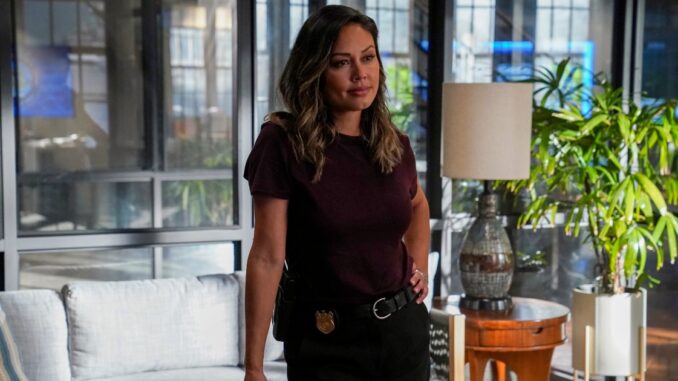
When CBS announced the cancellation of NCIS: Hawai’i Season 3, fans were already heartbroken. But as the dust settles, it seems the network has made the situation far worse. From sudden scheduling changes to unanswered storylines, loyal viewers are left feeling betrayed. Let’s dive into what’s happening and why this cancellation is creating a storm.
The Initial Shock: Why Season 3 Cancellation Hit Hard
No one saw it coming. NCIS: Hawai’i had been steadily building a fanbase, blending thrilling crime-solving with breathtaking Hawaiian backdrops. When a network pulls the plug mid-storyline, it’s more than disappointing—it’s disruptive. Many viewers invested time and emotions into characters, and abrupt cancellations feel like a betrayal.
CBS’s Misstep: Poor Communication with Fans
One of the biggest issues is CBS’s lack of transparency. Fans weren’t warned in advance, and there’s been minimal explanation. Social media exploded with confusion and anger. When networks fail to communicate effectively, it damages trust, sometimes permanently.
Unfinished Storylines: A Narrative Left Hanging
Perhaps the cruelest blow of all is the unfinished plotlines. Characters like Jane Tennant and her team were in the middle of complex investigations. Story arcs that were supposed to evolve over the season now feel abruptly halted, leaving fans to speculate endlessly.
Viewer Backlash: Social Media Erupts
If you check Twitter, Instagram, or fan forums, it’s a virtual battlefield. Fans are sharing petitions, hashtags, and memes expressing frustration. The #SaveNCISHawaii campaign, though hopeful, highlights a crucial point: networks often underestimate the power of a passionate fanbase.
Ratings vs. Loyalty: Did CBS Miscalculate?
Networks often justify cancellations with ratings. But NCIS: Hawai’i had strong engagement, parti
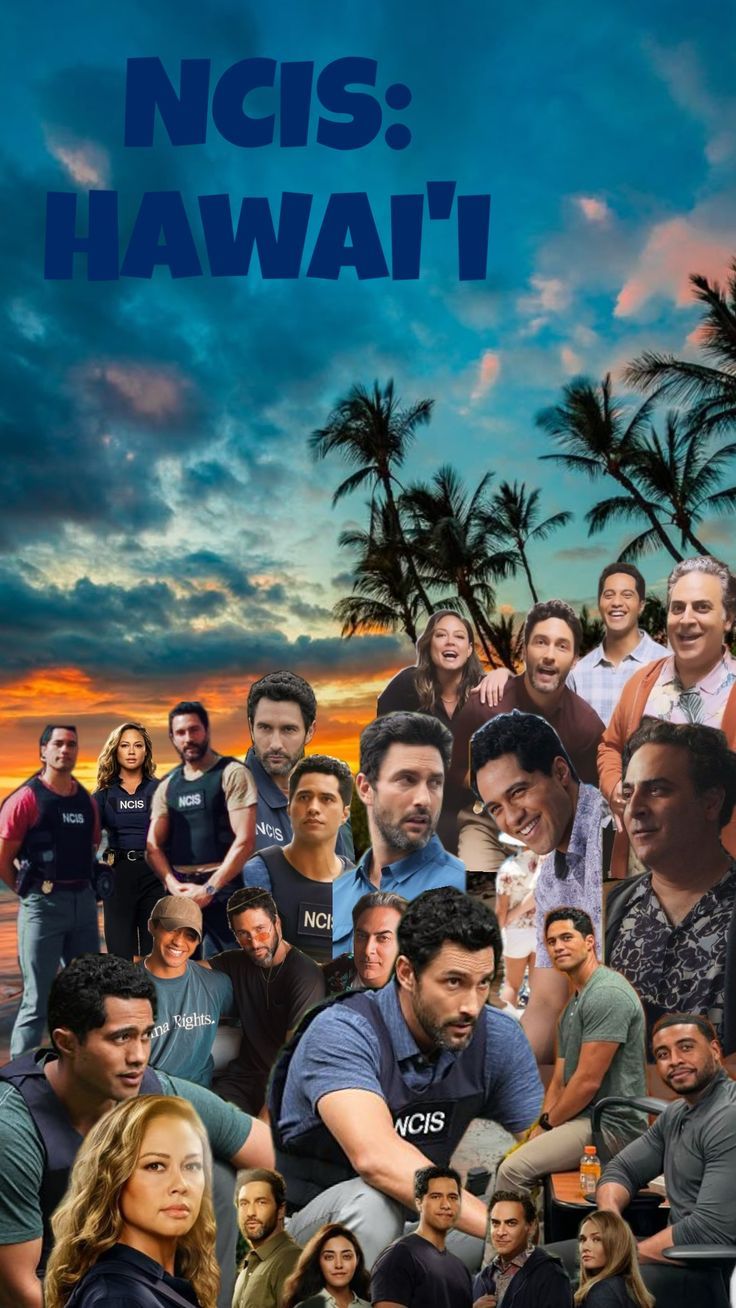
cularly with younger demographics. It begs the question: did CBS misread their audience’s loyalty? Or is this a strategic move prioritizing other projects? Either way, it leaves viewers questioning network priorities.
The Cast Speaks Out: Emotions on Display
Actors like Vanessa Lachey and Alex Tarrant have subtly hinted at their disappointment in interviews. Their responses, often diplomatic, show the emotional toll of working on a show that’s suddenly cut short. Behind the glamour, the cancellation impacts real people invested in the series.
Comparisons with Other NCIS Series: Why This Feels Worse
Unlike NCIS: Los Angeles or NCIS: New Orleans, NCIS: Hawai’i never got a chance to fully establish itself. Viewers feel this cancellation is premature. The spin-off had the potential to rival its siblings in popularity and cultural relevance, but now its legacy may feel incomplete.
International Impact: Fans Worldwide Affected
It’s not just an American audience that’s upset. NCIS: Hawai’i has international viewers who rely on streaming services to catch episodes. The abrupt cancellation leaves global fans equally frustrated, showing that the ripple effect of network decisions is truly global.
Potential Spin-Offs or Revivals: Is Hope Still Alive?
Some fans are speculating about spin-offs or revival possibilities, citing the success of fan-driven campaigns that saved other shows. Could CBS reconsider if the outcry grows loud enough? Stranger things have happened in TV history, but nothing is guaranteed.
The Role of Streaming Platforms: Could NCIS: Hawai’i Survive Online?
With streaming platforms booming, there’s potential for the show to find a new home. Services like Paramount+, Netflix, or Hulu could pick up the series, giving fans hope. However, streaming revivals are rare, and negotiations can be complex.
Behind the Scenes: Budget Cuts or Creative Decisions?
Some reports hint at budgetary constraints or strategic programming choices as reasons for cancellation. Networks juggle costs, ad revenue, and time slots, sometimes at the expense of creative content. While frustrating, understanding the business side provides context.
Fan Theories: What Could Have Happened in Season 3?
Fans love to speculate. From Jane Tennant’s personal struggles to major criminal conspiracies, social media buzzes with what-ifs. While these theories can be fun, they also underscore how invested the audience was—and still is—in the storyline.
Cultural Representation: A Loss Beyond Entertainment
NCIS: Hawai’i wasn’t just another crime drama. It showcased Hawaiian culture, scenery, and diversity in ways mainstream TV rarely does. Canceling it prematurely is more than an entertainment loss; it’s a missed opportunity to highlight representation and unique storytelling.
What Fans Can Do: Channels to Make Their Voices Heard
If you’re a fan feeling unheard, there are practical steps:
-
Sign online petitions to show engagement
-
Flood social media with respectful, consistent messaging
-
Support cast members’ projects
-
Engage with CBS directly via feedback channels
While results aren’t guaranteed, collective action can sometimes sway decisions.
Lessons for Networks: Trust and Fan Loyalty Matter
The biggest takeaway? Audience trust is fragile. Canceling a beloved show without transparency risks alienating fans. Networks need to balance business decisions with respect for the communities that support their content.
Looking Forward: What’s Next for CBS Programming?
CBS has other projects in the pipeline, but NCIS: Hawai’i’s cancellation may influence future decisions. Fans and analysts alike will be watching closely, particularly to see how the network handles loyal audiences who expect consistency and respect.
Conclusion
The cancellation of NCIS: Hawai’i Season 3 was shocking, but CBS has compounded the disappointment with poor communication and unfinished storylines. Fans are left frustrated, theories abound, and the show’s unique cultural representation feels prematurely cut short. While hope for revival exists, the situation highlights a critical lesson for networks: loyal viewers are not just numbers—they are passionate communities that can shape a show’s legacy.