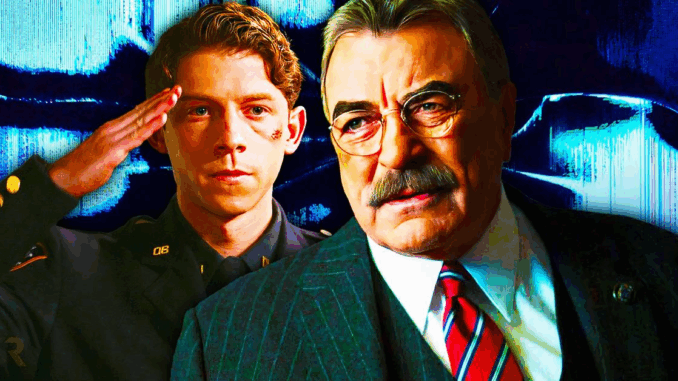
As Blue Bloods moves through its later seasons, fans have noticed shifts in the show’s storytelling style—some welcomed, others criticized. A recent wave of backlash emerged around plotlines that departed from the grounded, character-focused narratives that defined earlier seasons. Certain viewers felt that newer episodes emphasized political debates or moral dilemmas at the expense of personal arcs, sparking disagreements across social media.
Another point of contention involved the pacing of storylines for supporting characters. Fans have expressed frustration when long-developing plots were resolved abruptly, sometimes within a single episode. Others argued that certain romantic subplots lacked closure or emotional payoff, leaving viewers confused about the writers’ intentions.
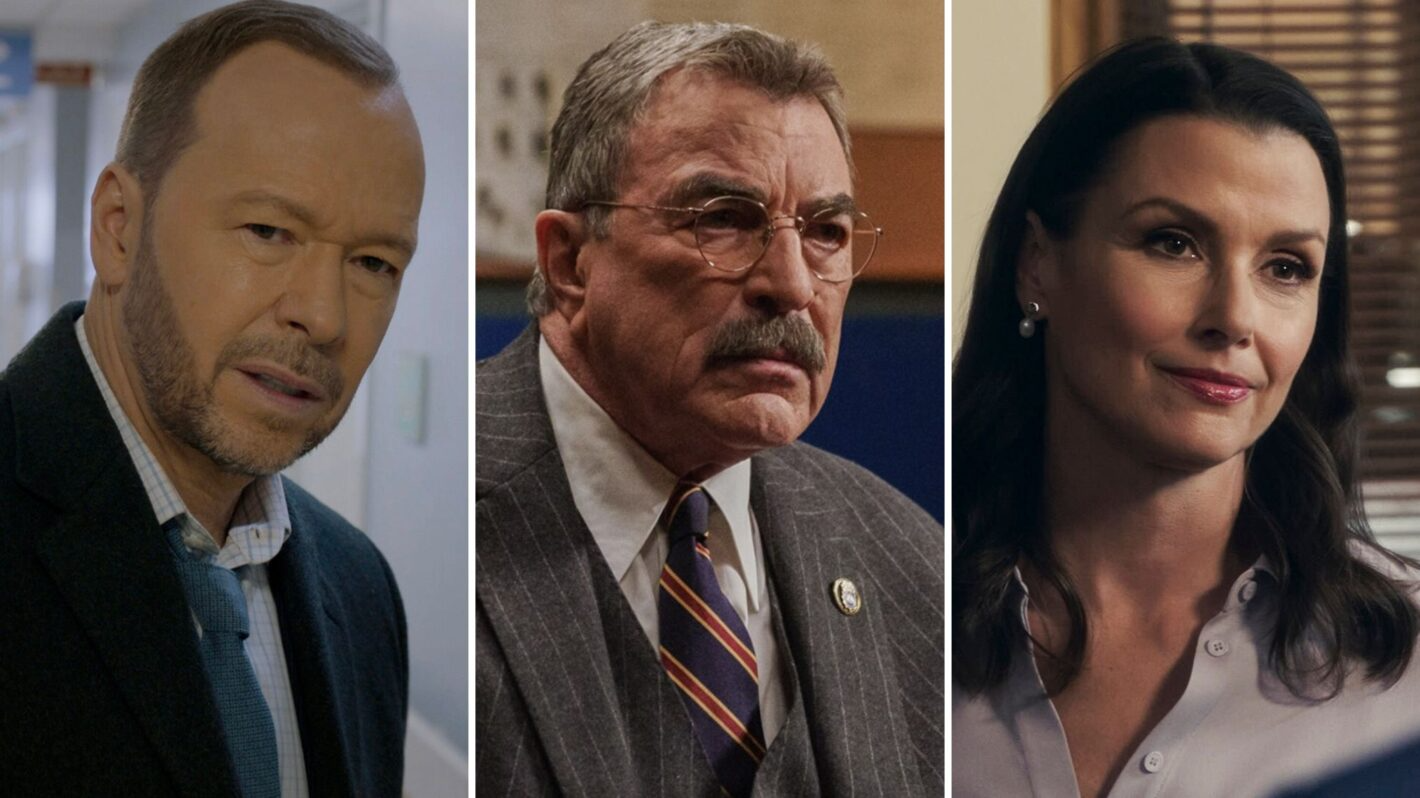 The creative team has acknowledged these concerns indirectly, noting that after more than a decade, maintaining narrative freshness is both challenging and necessary. Long-running procedural dramas must constantly balance episodic storytelling with character growth, and any shift—however small—can be polarizing among loyal fans.
Still, some viewers praise the evolution, arguing that the show has appropriately adapted to modern policing and social issues. They believe the updated tone reflects the complexities of real-world law enforcement while keeping the Reagan family at the forefront.
As is often the case with beloved series, fan divisions reflect deep emotional investment. The debate underscores Blue Bloods’ enduring influence—and the high expectations placed on a drama that has defined Friday-night television for years.