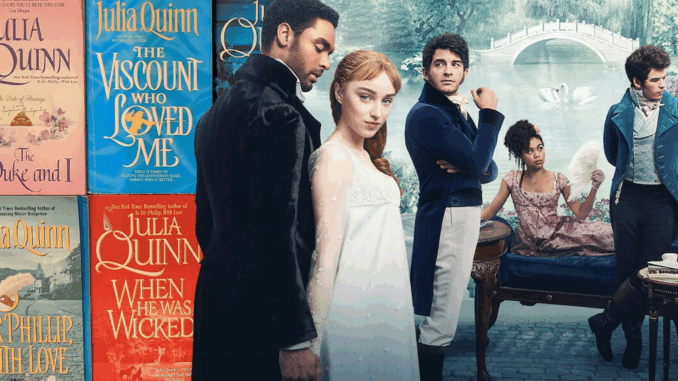
Adaptations inevitably spark debate, and Bridgerton is no exception. While the series captures the glamour and emotional depth of Julia Quinn’s novels, it occasionally diverges from the source material in ways that have stirred controversy. One particular change in Season 3 triggered widespread fan criticism: the decision to alter the gender of a character who originally appeared as male in the books.
This modification was introduced to expand representation within the story and to create new dynamics suited for television. However, some longtime readers felt blindsided. Social media became a battlefield of arguments, with certain fans accusing the show of straying too far from the essence of Quinn’s work. Others defended the decision as a creative evolution necessary for modern audiences.
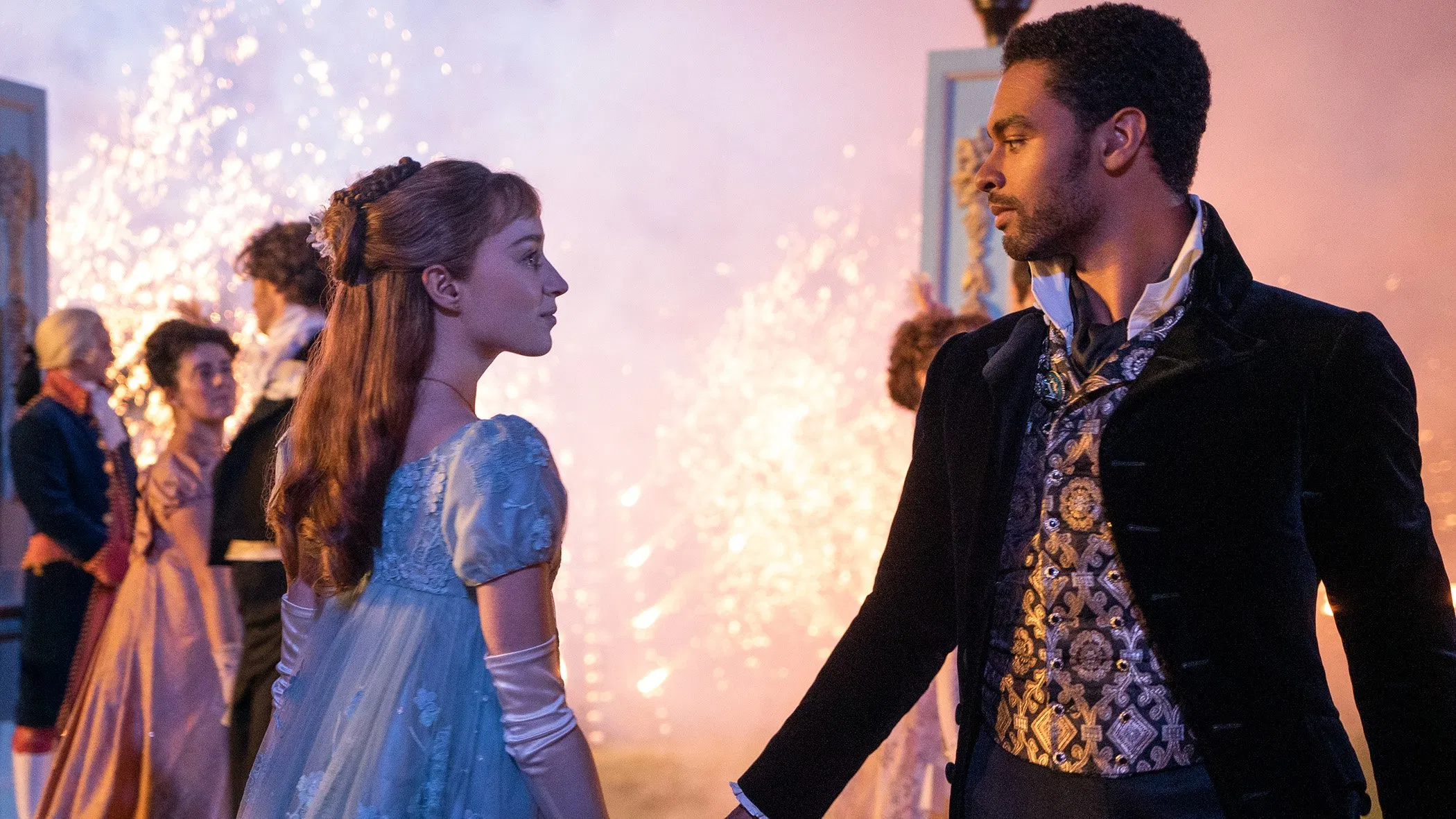 Amid the backlash, Julia Quinn addressed the concerns publicly. She explained that the producers had consulted her early in development and that she had time to carefully consider the proposed changes. While she initially hesitated, she ultimately agreed, trusting the show’s creative team to maintain the emotional integrity of the narrative. Quinn emphasized that adaptations must operate within different constraints than novels, from casting considerations to pacing and thematic focus.
Her response softened some criticism, but debates continued online. Many viewers questioned how far an adaptation can deviate before it becomes something entirely different. Yet for the creators, the goal remains clear: honor the spirit of the books while delivering a compelling, culturally resonant television experience.
The controversy underscores a broader tension between book purists and audiences open to reinterpretation. As Bridgerton progresses, these discussions are likely to persist, making the adaptation process as dramatic as the story it tells.