
Forty-five years ago, on December 11, 1980, television audiences tuned in to CBS for the premiere of Magnum, P.I., a show that would redefine the private investigator genre with its blend of action, humor, and tropical allure. Starring Tom Selleck in the lead role, the series introduced viewers to Thomas Magnum, a charismatic former Navy SEAL turned private detective living in the lush paradise of Oahu, Hawaii. The debut episode set the stage for what would become an eight-season run, captivating millions with its sun-soaked adventures and memorable characters.
The show’s origins trace back to the creative minds of Donald P. Bellisario and Glen A. Larson, who envisioned a modern take on the classic detective story. Magnum, P.I. followed Thomas Magnum as he navigated cases from his base at the opulent Robin’s Nest estate, owned by the enigmatic novelist Robin Masters. Magnum’s freewheeling lifestyle included driving a red Ferrari 308 GTS, often clashing with the estate’s stern majordomo, Jonathan Higgins, played by John Hillerman. This group dynamic added layers of camaraderie and depth, exploring themes of friendship and post-war adjustment in a way that resonated with audiences of the era.
From its inception, Magnum, P.I. stood out for its innovative approach to storytelling. Episodes often featured Magnum breaking the fourth wall with voiceover narrations, providing witty insights into his thoughts and the unfolding mysteries. The Hawaiian setting was more than a backdrop; it influenced the plotlines, incorporating local culture, stunning beaches, and high-stakes chases through volcanic landscapes. The series balanced intense investigations—ranging from corporate espionage to missing persons cases—with lighter moments of humor, such as Magnum’s ongoing banter with Higgins or his misadventures with two Doberman Pinschers named Zeus and Apollo.
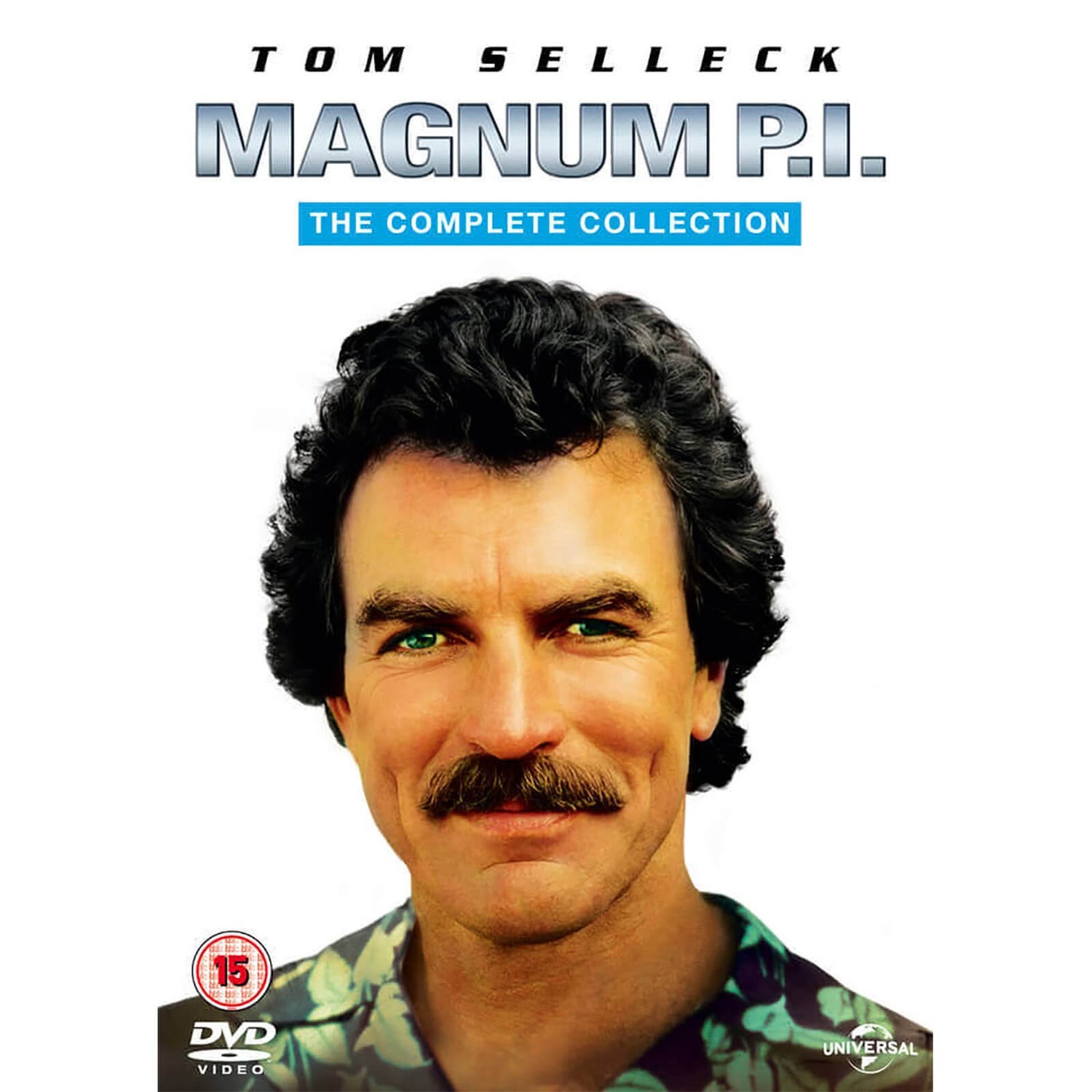
The show’s history reflects the evolving landscape of 1980s television. Premiering in a slot following popular programs, it quickly climbed the ratings, consistently ranking in the top 20 shows during its peak years. Over eight seasons and 162 episodes, Magnum, P.I. earned critical acclaim, including multiple Primetime Emmy Awards, particularly for Hillerman’s portrayal of Higgins. It also played a pivotal role in addressing the Vietnam War’s aftermath, portraying veterans as complex individuals dealing with trauma while forging new paths in civilian life. This marked a shift in how American media depicted the conflict, moving toward more nuanced representations.
Tom Selleck’s performance as Magnum propelled him to stardom, with his signature mustache and Hawaiian shirts becoming cultural icons. The actor turned down other high-profile roles, including Indiana Jones in Raiders of the Lost Ark, to commit to the series, a decision that paid off as Magnum, P.I. solidified his place in pop culture. Guest stars like Frank Sinatra and Sharon Stone added star power, while crossovers with other shows, such as Murder, She Wrote, expanded its universe.
By the time the series concluded on May 1, 1988, with a finale that resolved long-standing mysteries like Robin Masters’ identity, Magnum, P.I. had left an indelible mark. Its influence extended beyond the screen, inspiring fashion trends, tourism to Hawaii, and even a 2018 reboot starring Jay Hernandez, which ran for five seasons and introduced the character to new generations. The original show’s legacy endures in syndication and streaming, where fans revisit the adventures that blended escapism with emotional depth.
Looking back 45 years later, the premiere of Magnum, P.I. represents a high point in network television’s golden age of action-dramas. It captured the spirit of the 1980s—optimistic, adventurous, and unapologetically entertaining—while subtly tackling serious issues. The series not only entertained but also humanized its heroes, showing that even in paradise, life’s challenges persist. As streaming platforms keep it accessible, younger viewers discover why Magnum’s aloha-shirt-clad exploits remain timeless. This anniversary serves as a reminder of how one show can transport audiences to a world of intrigue and island vibes, proving that great storytelling never fades.